Be yourself; Everyone else is already taken.
— Oscar Wilde.
This is the first post on my new blog. I’m just getting this new blog going, so stay tuned for more. Subscribe below to get notified when I post new updates.
Be yourself; Everyone else is already taken.
— Oscar Wilde.
This is the first post on my new blog. I’m just getting this new blog going, so stay tuned for more. Subscribe below to get notified when I post new updates.
While discussing data archiving trends it is important to know what is Data archiving exactly? Data archiving is the process in which the data which is no longer actively used is stored in a separate storage device for long-term retention. This old data will hold the information about the company, which it still needs but will only be indexed again to retrieve for future reference and regulatory compliance. Company can also search file of its interest and can retrieve it because data archives are indexed and can be located. Today, every company inspires to be global and for them to be global, data management will provide accessibility, reliability, and timeliness of the data for its users. Archiving data will help them in to meet compliance regulations, to retain historical data, or simply to save resources. Many companies use data archiving system for data that they are required to keep in order to meet regulatory standards like HIPAA, GDPR or PCI-DSS.

Why Data Archiving is necessary and frequently practised?
It’s been 30 years now that teleradiology is been a part of medical sciences. The basic impetus behind teleradiology is the same as in telemedicine — it reduces redundant procedures. For a small practice, clinics, and hospitals a full-radiologist on-site could be pricy but having an on-call teleradiologist off-site allows the attending doctor to occur when you need the service instead of having a high-value resource on-site waiting for the next patient case. The state of teleradiology services has only expanded over the years and year2020 is estimated to be taking part in the medical response to man-made and natural disasters. Since radiology supports a wide range of medical disciplines such as surgery, general practice and emergency medicine, it has facilitated patients across the globe to precisely diagnose and monitor patient’s condition from anywhere. Some of the advanced trends of teleradiology in 2020 are as follow:
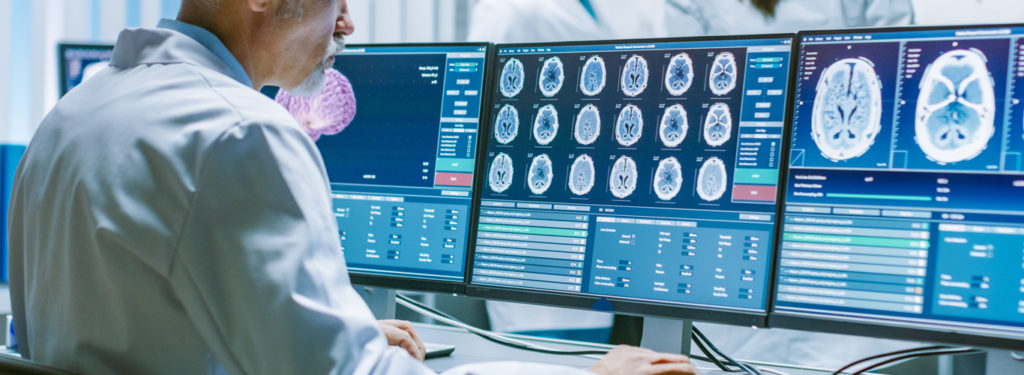
• Hyperautomation: It is the automation of the task by applying advanced technologies, such as machine learning (ML) and artificial intelligence (AI). Hyperautomation has effectively served in streamlining and automating patient communication, ultimately increase AI-driven decisions.• Artificial Intelligence and Machine learning: AI and MI are breaking barriers in technology, some of the aspects of AI include, improved diagnostics, AI security etc.• Automatic Reallocation: AI-based workflow systems can help your system by sending specific assessments to be analyzed by AI. • Cross-Discipline Collaboration within Departments: Radiology is switching on the top gear by collaborating with other specialists, giving teleradiology providers the ability to take the lead in the management of cross-disciplinary workflows.Though teleradiology services are still evolving but its results are loud and clear. Teleradiology services has not only decreased report turnaround time but also improved the facility levels in the emergency site and significant use of mobile devices have further extended the reach and improved the efficiency of teleradiology, especially in acute stroke.
How telemedicine is changing healthcare and its future perspectives towards medical health? With technology in the top gear, healthcare is also taking its swing for development in its sector and to provide better healthcare services to one and all. It is true that telemedicine industry is at a tipping point, growing far beyond interactions between general practitioner and patients into entirely advance ways to deliver healthcare and practice medicine.

Making health sector more resilient, telehealth schemes are proving to improve health care access and outcomes for vulnerable groups in varied regions of the world. Some of its features like telemedicine radiology, teleneurology services, teledermatology services and telepsychiatry services are significantly helping health care workers in remote areas to receive the guidance of professionals elsewhere concerning diagnosis and referrals.
Telemedicine is a combination of elements such as teleconferencing, document-sharing and mobile technology to improve healthcare quality especially for people living in rural areas. Below mentioned are some of the ways by which telehealth is changing healthcare:
People living in rural parts of the world are estimated to be more prone to die prematurely from all of the five leading causes of death: cancer, heart disease, unintentional injury, stroke and chronic lower respiratory disease. But with the advancement in healthcare, several attempts were made to improve the health of rural residents one such is telemedicine. Telehealth is a very efficient medium to connect rural service provider and their patients to get services in different parts of the world. Telemedicine can assist healthcare organizations to improve the quality of rural healthcare. Now, the frequently asked question is how these services of experts are made available to people living in rural areas? Telemedicine service providers deliver healthcare through the leading technology such as mobile phones or computers, etc. and it has proved to be an effective approach for communication and counseling. Adding more conveyance in the services, tele-ICU is one such off-site command center in which critical care is connected with patients in distant ICUs to exchange health information through real-time audio, electronic and visual means.
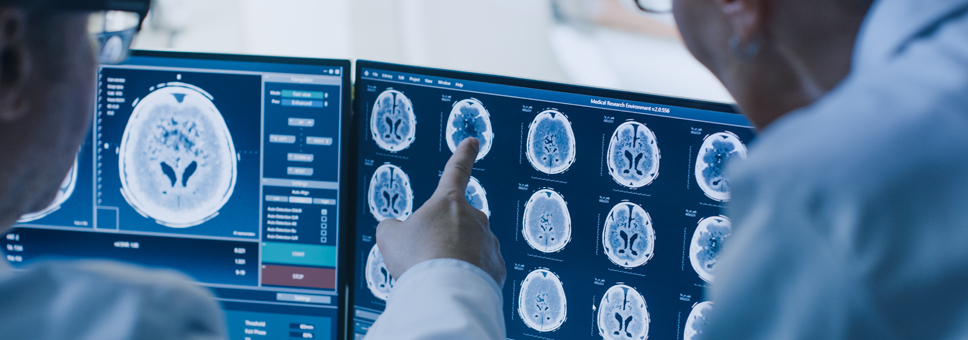
Promoting patient-centered health care telecommunication technologies include video conferencing, internet, store-and-forward imaging, streaming media, terrestrial and wireless communications. Some of the telehealth projects currently in process to give rural residents access on chronic disease prevention and management are as follows:
Though it is right that telemedicine can’t replace brick-and-mortar provider clinics, but it can sure empower those who have stayed home to reach out for medical and specialty care. Telemedicine Service Providers are successfully opening gates for a new medical era and are striving for better every year.
Every minute healthcare is taking a new turn, not just in terms of providing quality and cost-effective medical services but also in the diagnostic procedure and keeping patient records. Radiologists want a more significant role in healthcare, one that allows them a say in patient management, ideally one that goes from diagnosis to therapy follow-up.

AI is the future of technology, leading to a massive difference in the health sector. Over the 3years, the major impact of artificial intelligence on manual radiology services was being questioned, but No! There is no way AI’s to replace radiologists but many specialists believe that adding information acquired from AI algorithms to reporting and workflow can facilitate quantitative radiology and assist in discovering genomic markers that can significantly improve patient care. It can reduce the workload by doing tedious tasks like segmenting structures. That can then enable more quantitative imaging, which most specialists believe will improve the ‘product’ of radiology.The radiology services with AI has overcome one of the fundamental limitations to decision accuracy that individual radiologists face, including many areas of diagnostic imaging and is been adapted widely many healthcare across the world, one such is Vesta Teleradiology. Hence, the ability for computer algorithms to approximate conclusions without direct human input is the need of the hour and this could help to make the medical services one step advanced.Healthcare is rooting for AI Radiology in the future, where are you?
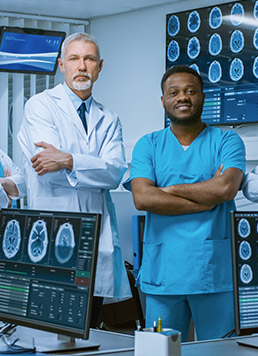
Vesta Teleradiology is a complete radiology service with Remote radiology solutions. They integrate seamlessly with the existing technology. All the radiologists are all US Board certified, many with sub-specialty certifications that provide coverage 24x7x365.
Preliminary Interpretation Service
Vesta’s Preliminary Interpretation service handles all cases any time even during off-peak hours, so your radiologist’s will save your time. Also they manipulate technology to create a higher quality report for patients in a very shorter period of time.
The team of Certified doctors to view and provide a preliminary read for off-hours cases. Then your local radiologist performs the final read of the report to ensure the interpretation quality with a faster turnaround time.
Final Radiology Interpretations
If your facility is facing a coverage issue due to the limited availability of radiologists at your hospitals, Vesta offers professional interpretation at your convenience. With Vesta, you can better manage time, services and staff. They provide in-depth, clinically specific, decisive reads. Their team provides definitive reports as well as consultation services to meet the needs of their clients.
TeleRadiology Specialty Coverage
Extending your operations with a teleradiology partner like Vesta will help your business attract and retain top certified physicians because now a flexible work schedule is a reality.
Coverage Options
Nighttime Coverage
Daytime Coverage
Vacation Coverage
Specialty Coverage
This is an example post, originally published as part of Blogging University. Enroll in one of our ten programs, and start your blog right.
You’re going to publish a post today. Don’t worry about how your blog looks. Don’t worry if you haven’t given it a name yet, or you’re feeling overwhelmed. Just click the “New Post” button, and tell us why you’re here.
Why do this?
The post can be short or long, a personal intro to your life or a bloggy mission statement, a manifesto for the future or a simple outline of your the types of things you hope to publish.
To help you get started, here are a few questions:
You’re not locked into any of this; one of the wonderful things about blogs is how they constantly evolve as we learn, grow, and interact with one another — but it’s good to know where and why you started, and articulating your goals may just give you a few other post ideas.
Can’t think how to get started? Just write the first thing that pops into your head. Anne Lamott, author of a book on writing we love, says that you need to give yourself permission to write a “crappy first draft”. Anne makes a great point — just start writing, and worry about editing it later.
When you’re ready to publish, give your post three to five tags that describe your blog’s focus — writing, photography, fiction, parenting, food, cars, movies, sports, whatever. These tags will help others who care about your topics find you in the Reader. Make sure one of the tags is “zerotohero,” so other new bloggers can find you, too.

 Vesta Teleradiology